Empower Your Cancer Journey: Uncover the Latest Insights, Treatments, and Survivorship Resources
Navigating the complex waters of a cancer diagnosis can feel like an insurmountable challenge. With swirling emotions and a plethora of information, it’s easy to feel overwhelmed. In this journey, empowering insights and treatment options are essential lifelines for patients, caregivers, and loved ones. Have you ever wondered how a few powerful words or a supportive community can change the course of this journey? Imagine being able to reclaim some control over your own health and wellness by tapping into a treasure trove of resources designed specifically for you. Let's explore how the latest insights in cancer treatment and survivorship can inform your decisions and inspire hope.
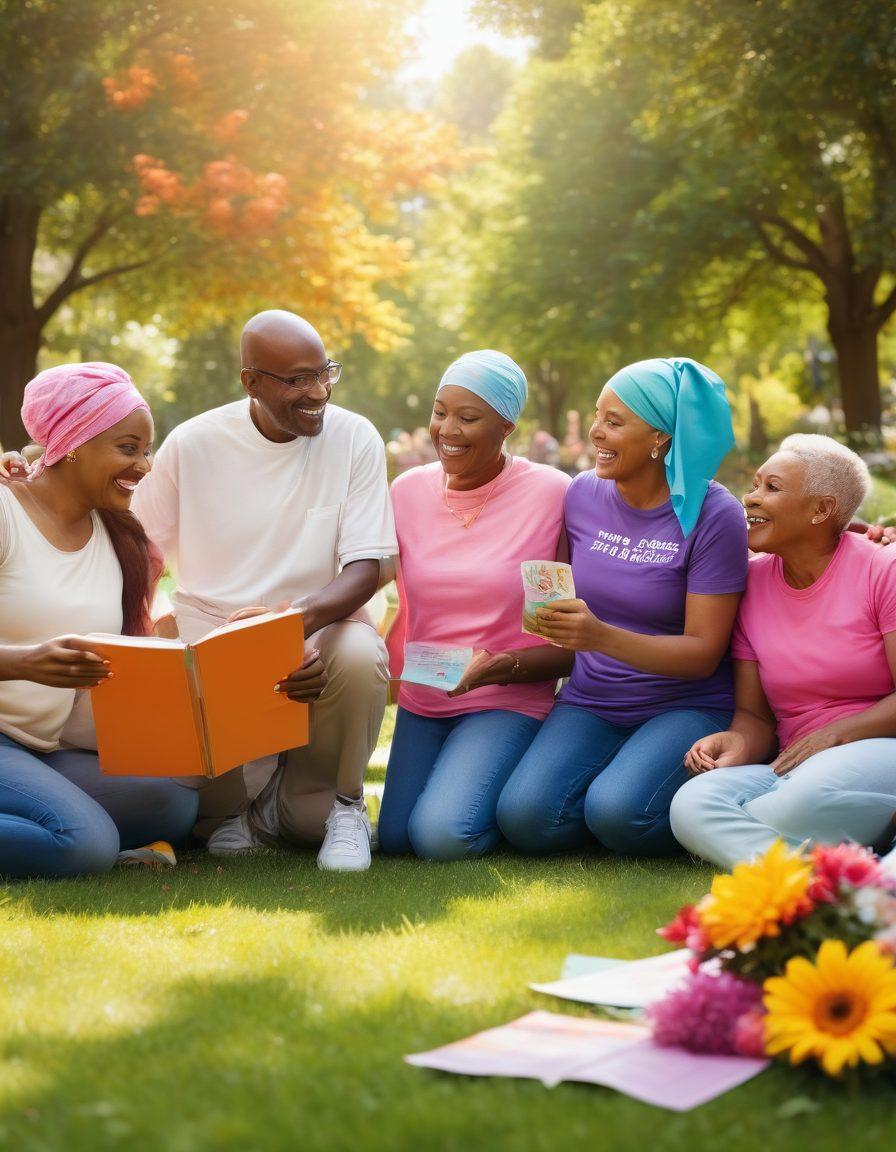
As you become part of the cancer community, connecting with others on similar journeys can provide invaluable support. Patient support groups are often where healing begins. Think about it: people coming together, sharing their stories, and creating a space where empathy and understanding flourish. It’s in these discussions that we start to dismantle the cancer myths that can misinform and frighten us. What if you could access information not just about standardized cancer treatment but also alternative cancer therapies? By diving into an oncology blog and engaging with ongoing cancer discussions, you’ll be able to fuel your empowerment as a cancer patient and rewrite your own narrative.
When it comes to cancer education, staying informed about the latest cancer research can profoundly impact your experience. Advancements in integrative oncology continue to show promise in combining conventional methods with complementary therapies. Are you curious about the emerging trends in palliative care that ensure the best possible quality of life for patients? Some recent studies reveal that collaborative treatment plans, tailored to each individual’s needs, might enhance wellness, reduce side effects, and improve overall satisfaction with care. With access to oncology news and educational tools, you can feel confident in making decisions that align with your values and desires.
Embracing preventive care and maintaining a health and wellness routine can be pivotal in your cancer journey. But what does that look like? It’s about more than just attending medical appointments. Engaging in activities that promote emotional, physical, and spiritual health can lead to a happier, more fulfilled life. Why not try yoga or meditation? A patient once said, "Life can change on a dime; it’s how we adapt that really matters." By seeking out living with cancer resources and actionable advice, you can foster resilience and cultivate your strength as you navigate each phase of treatment and recovery.
In this era of information, cancer advocacy plays a vital role. As you start to share your insights and experiences, you become part of a broader movement that seeks to illuminate the struggles and triumphs of cancer patients everywhere. How can your story and knowledge uplift and educate others? Becoming an advocate not only enhances your own experience but serves as an inspiration for current and future cancer survivors. You are not alone in your journey—together, we will strive to empower each other and emerge victorious, paving the way towards a future filled with hope, knowledge, and community support.
Explore Essential Resources for Cancer Survivors and Advocacy
Navigating the cancer journey can often feel like embarking on a lifelong expedition filled with twists, turns, and unexpected trials. As survivors, or as those who walk alongside them, understanding the landscape of resources available is crucial. The world of oncology is evolving rapidly, filled with new insights and treatments that can empower cancer survivors and their families. But where do you begin? In this exploration, we will dive into essential resources for cancer survivors and advocacy, unveiling pathways that can help shape their experiences positively. After all, empowerment for cancer patients is about equipping them with the right knowledge to master their journey.
Imagine waking up one day, facing the reality of a cancer diagnosis. It’s a daunting moment, one that can make anyone feel lost and unsure. But what if you could turn this fear into strength? Vital health blog discussions on cancer education have emerged as beacons of hope in the fog of uncertainty. These discussions not only provide insights into cancer treatment options but also challenge prevalent cancer myths that can cloud our judgment. As cancer survivors come together in patient support groups, they often find solace in shared experiences, whether in stories of triumph or discussions about palliative care. This shared journey fosters a sense of community and belonging that can be truly transformative.
What role does advocacy play in your cancer journey? It is crucial, not just for individual patients but for the entire cancer community. Advocacy groups around the world are tirelessly working to ensure that the latest oncology news reflects the desires and needs of cancer survivors. They are pushing for improved preventive care strategies and access to alternative cancer therapies, aiming to broaden the options available to patients. If we think about living with cancer resources, advocacy pieces that shine a light on real-life challenges faced by those affected can often catalyze change. It makes all the difference when cancer survivors can lend their voices to influence policy and awareness.
As you explore the ongoing advancements in integrative oncology, how can you empower yourself within this vast realm? Understanding the interplay between traditional treatments and holistic wellness can make a substantial difference in recovery. Many survivors are turning to alternative cancer therapies that complement their prescribed regimens, leading to improved health and wellness outcomes. This intersection fosters a proactive approach to health care, where patients are encouraged to inquire and engage more deeply with their treatment plans. It’s about finding what resonates with you personally, turning your cancer journey into an empowering saga rather than a burdened narrative.
Remember, the path after a cancer diagnosis doesn’t have to be faced alone. By seeking out resources like health blogs rich in cancer discussions, joining patient support groups, and engaging with advocacy networks, one can begin to feel more in control. So, what steps will you take next? Whether it’s browsing the latest cancer research or finding a local support group, every action counts. Awareness, community, and knowledge pave the way for not just healing but thriving in life after cancer. Let’s continue the conversation, because the power to navigate the complexities of cancer is within us all.
Debunking Myths: The Latest Research and Therapies in Cancer Care
Navigating the vast landscape of cancer care can feel daunting, especially with the multitude of myths that cloud our understanding. Many patients and their families are overwhelmed with conflicting information that often complicates the cancer journey rather than clarifying it. In today's oncology blog, we aim to debunk some widely held cancer myths by shining a light on the latest research and therapies in cancer care. Remember, misinformation can lead to unnecessary fear. So, what can we do to stop the cycle of misunderstanding and foster empowerment for cancer patients?
When we hear terms like 'alternative cancer therapies', it's easy to find ourselves spiraling into uncertainty. But here's the truth: many of these therapies are deeply researched and utilized in integrative oncology to complement traditional cancer treatments. For instance, recent studies reveal that mindfulness and yoga not only help alleviate stress but may improve quality of life for cancer survivors during and after their treatment cycles. The key is to approach these therapies holistically, ensuring that they align with your primary medical treatments. Have you discussed integrating alternative therapies with your oncologist?
A common myth is that ovarian and breast cancer diagnoses mark the end of a person's story. In fact, the rise in cancer education and patient support groups has transformed the narrative of living with cancer. Survivorship is about thriving, not just surviving. Pioneering research in palliative care showcases that effective symptom management and emotional support can significantly enhance the quality of life during treatment. This emphasizes the importance of cancer discussions within communities - where individuals share victories, hardships, and the lessons learned along their unique paths. Are you part of a strong support network?
Indeed, the notion that “once diagnosed, options are limited” is an outdated way of thinking. Innovative cancer treatment options continue to emerge at a rapid pace, presenting hope and new possibilities for those facing a cancer diagnosis. Targeted therapies and immunotherapy are just a few areas that have witnessed transformative results in recent years. Keeping abreast of oncology news can be empowering; knowledge helps patients make informed decisions in partnership with their healthcare teams. Let's ask ourselves: how can we better educate ourselves about these groundbreaking advancements?
Finally, let's address why empowerment for cancer patients is crucial. It’s about reclaiming agency over their health and wellness. Cancer advocacy groups are tirelessly working to bridge gaps in understanding and accessibility by offering living with cancer resources and preventive care strategies. Most importantly, defeating cancer myths and misconceptions is all about community. Are you ready to join the conversation and help debunk these myths alongside fellow cancer warriors? Together, through knowledge and shared experiences, we can create a profound change in the narrative surrounding cancer care.